Disclosure: As an Amazon Associate, BlackDogMods.com earns from qualifying purchases at no extra cost to you.
Published: October 26, 2026 • Updated: October 13, 2026
The JK and YJ sit on opposite ends of the modern Wrangler era—the YJ ran from 1987 to 1995, the JK from 2007 to 2018—and they’re very different vehicles. The YJ is a legitimate classic at this point; the JK is still a common sight on trails and roads. If you’re deciding between them, the right answer depends on what you’re using it for, how much you’re willing to spend on maintenance versus purchase price, and what kind of ownership experience you want.
The YJ: Why People Still Love It
The YJ has a loyal following for reasons that haven’t changed since it rolled out of the factory. It’s lighter than the JK by 600–800 lbs, which matters for off-road performance—lighter is almost always better on trails, especially on sidehills and in soft terrain. The solid front axle (Dana 30) and solid rear axle (Dana 35 in most YJs, upgraded on the Renegade and Islander trims) are simple, well-understood, and easy to work on. Parts are cheap and plentiful. The leaf spring suspension, while rougher on road, is popular for its straightforward lift and modification options.
The YJ is also genuinely small. The wheelbase is 93.4 inches on the two-door, and the overall package is narrow and nimble on tight trails. In rocky terrain, a smaller Jeep can thread lines that a JK simply can’t fit through. For dedicated trail use on technical terrain, the YJ’s dimensions are an advantage.
The downsides are real, though. The YJ interior is primitive by any modern standard—no meaningful creature comforts, limited weather protection with the standard soft top, and the famously bad square headlights that get replaced by most owners immediately. The engine options (2.5L four-cylinder or 4.2L inline six, with the 4.0L starting in 1991) are serviceable but produce modest power by today’s standards. The body mounts and frame rails on aging YJs often have rust issues, especially in northern states.
The JK: The Modern Choice
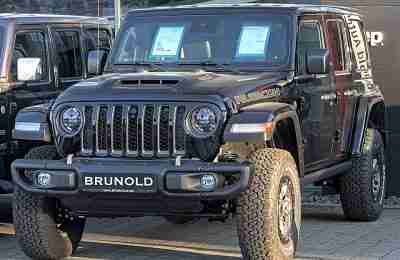
The JK brought the Wrangler into the modern era. The 3.8L V6 (2007–2011) and 3.6L Pentastar (2012–2018) provide noticeably more power than the YJ’s engines. The interior is significantly more comfortable, the weather sealing is much improved, and the coil-link suspension delivers a genuine improvement in on-road ride quality without sacrificing off-road capability. The JK also comes in a four-door variant (Unlimited) that the YJ never offered, which opens up the platform to families and overlanders who need the rear seat and cargo space.
The JK’s Dana 44 rear axle (on Rubicon models) and available front Dana 44 (Rubicon) are meaningfully stronger than the YJ’s Dana 35. The electronic lockers on the Rubicon are a significant capability upgrade for serious off-road use. The larger overall footprint is a tradeoff on tight trails but allows for more aggressive tire fitment without extreme lift.
The JK is more complex to work on than the YJ, particularly on the electrical side. The 3.8L engine had some oil consumption issues. And a clean, well-maintained JK costs significantly more than a comparable YJ—the price premium for the modern platform is real.
Which One Makes Sense for You
For a dedicated trail rig on a budget: the YJ is hard to beat. You can buy a solid YJ for $5,000–$12,000, and the platform is well-understood enough that even significant mechanical work is straightforward. The parts ecosystem is healthy and the community knowledge base is deep.
For a dual-purpose driver and trail rig: the JK wins. It’s a vastly more livable vehicle on pavement, the creature comforts matter for daily use, and the suspension is genuinely better for mixed use. Expect to spend $15,000–$30,000 for a solid used JK depending on trim and mileage.
For families or anyone who needs rear seats: JK Unlimited only—the YJ doesn’t have a viable four-door option. Check out available JK parts and accessories to see what’s in stock for whichever generation you go with.
Get Jeep Deal Alerts
Be the first to know about price drops on parts for your Jeep.

Jeep enthusiast and founder of BlackDogMods.com. Nick has been wheeling and modding Wranglers for over a decade and built this site to help other Jeep owners find the best aftermarket parts without the research hassle.